Myopia Control for Columbus Kids: Slowing Down Your Child's Changing Prescription This School Year
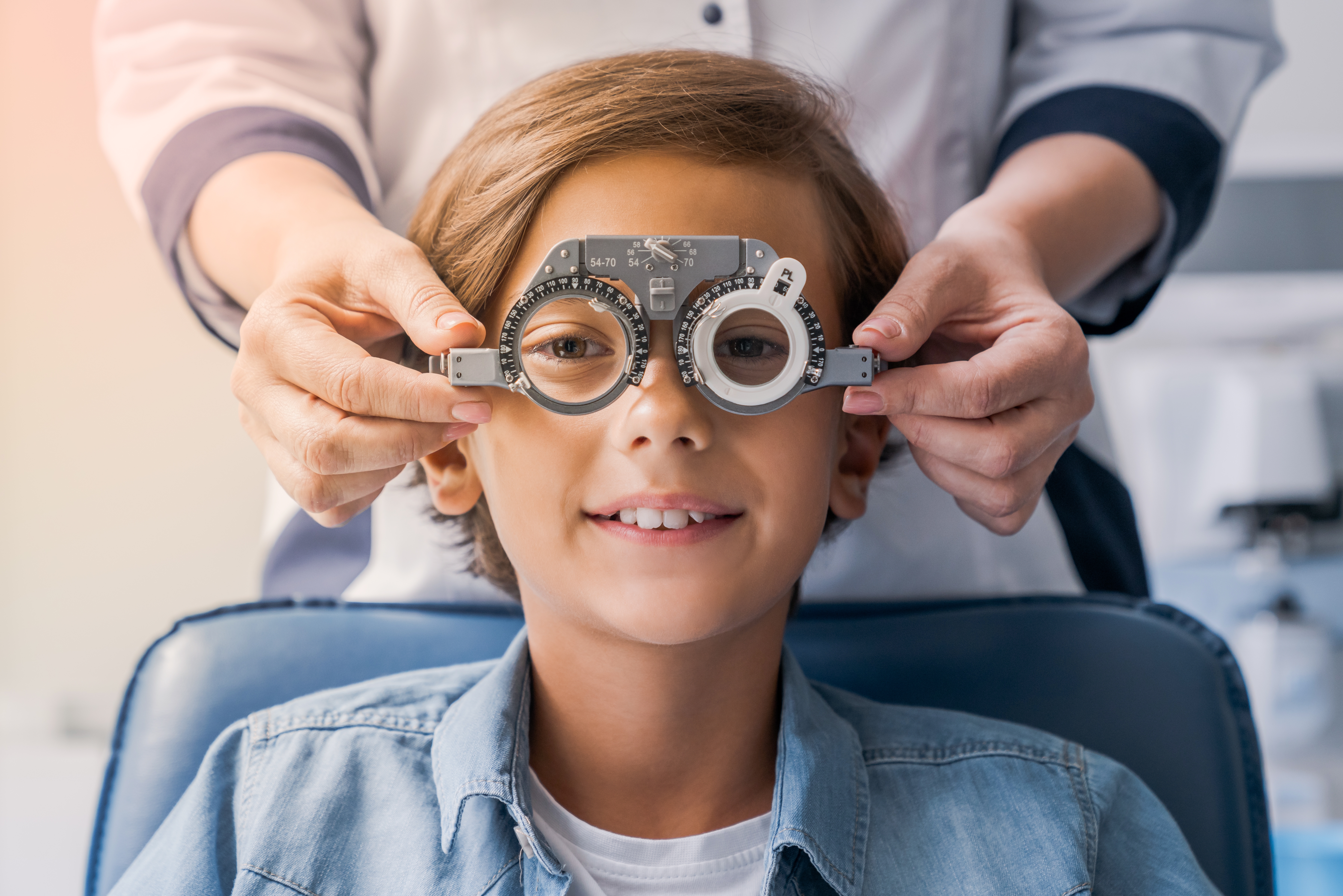
If your child seems to need stronger glasses every school year, their myopia may be progressing. Myopia, or nearsightedness, causes distant objects to appear blurry and often becomes more noticeable as children grow. At Polaris Eye Care in Columbus, we provide pediatric eye care and myopia management designed to help slow progression rather than simply updating a stronger prescription year after year.
Why Does My Child's Prescription Keep Changing?
Myopia commonly progresses as the eye grows longer during childhood. Younger children may experience faster progression, which is one reason early and regular pediatric eye exams are important. Polaris Eye Care emphasizes early detection so we can monitor changes and discuss treatment before nearsightedness becomes more advanced.
For Columbus students, worsening myopia can make it harder to see the classroom board, presentations, sports activities, and other distant objects clearly. Children may not always realize their vision has changed, so parents often notice the signs first.
Signs Your Child's Myopia May Be Progressing
Pay attention to changes in your child's everyday visual habits, especially as classroom demands increase. Signs may include:
- Squinting to see the board, television, or distant objects
- Sitting closer to screens or classroom displays
- Complaining that current glasses no longer seem clear
- Needing stronger prescriptions at repeated eye exams
- Holding devices or other materials unusually close
- Struggling with sports or activities that require clear distance vision
- Moving closer to objects in order to see details
Polaris Eye Care notes that children may not recognize that their distance vision is blurry, making routine pediatric eye exams especially valuable.
Updating Glasses vs. Managing Myopia
Traditional glasses correct blurry distance vision, but myopia management has a different goal. It uses specific treatments intended to slow how quickly nearsightedness progresses while a child's eyes are still developing.
Myopia control does not guarantee that your child's prescription will never change again. Instead, the goal is to reduce progression and excessive eye growth over time. Regular follow-up visits allow us to monitor how your child's eyes are changing and determine whether their current treatment remains appropriate.
Myopia Control Options at Polaris Eye Care
At our Columbus practice, we offer several myopia management approaches so treatment can be personalized to the individual child.
MiSight 1 day is a soft daily disposable contact lens designed to correct nearsightedness while slowing myopia progression. Because the lenses are replaced daily, they also eliminate the need for overnight cleaning and storage.
Orthokeratology, or Ortho-K, uses specialized contact lenses worn overnight. The lenses temporarily reshape the cornea so your child can experience clear daytime vision without regular glasses or daytime contacts. Ortho-K is also used as a myopia control strategy.
Low-dose atropine eye drops may be another option for slowing eye growth. Polaris Eye Care also offers soft multifocal contact lenses and Essilor Stellest lenses. Stellest provides a glasses-based option using specialized lenslets designed to provide clear central vision while helping slow myopia progression.
Which Treatment Is Right for Your Columbus Student?
There is no single myopia control option that is best for every child. Age, prescription strength, rate of progression, eye health, sports participation, lifestyle, and comfort with contact lenses can all influence the treatment we recommend.
For example, an active student who wants freedom from daytime glasses may prefer Ortho-K, while another child may be better suited to daily MiSight contacts. Children who prefer traditional glasses may benefit from Stellest lenses, while atropine can provide another approach when appropriate.
Dr. J. Erin Shewring and Dr. Jessica Lybarger both have professional interests in myopia management, including myopia care for children, and Polaris Eye Care provides personalized eye care using modern diagnostic technology.
If your child's prescription keeps increasing each school year, schedule a pediatric eye exam and myopia management consultation with Polaris Eye Care at 1070 Polaris Parkway, Suite 200, Columbus, OH 43240, or call (380) 333-4588 to discuss MiSight, Ortho-K, Stellest, atropine, and other options for slowing myopia progression.
Quick Links
Helpful Articles
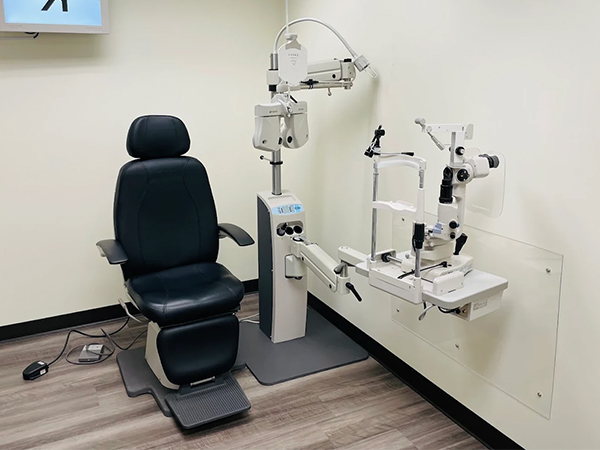
All Eye Care Services
Find personalized eye care excellence with our comprehensive services. From eye exams to advanced diagnostics, trust us for all your vision needs.

Keep In Touch
For non-urgent questions or to learn more about our services, contact us today!
- 1070 Polaris Parkway Suite 200
Columbus, OH 43240 - Phone: (380) 333-4588
- Fax: (614) 880-9018
- Monday 9:00am - 5:30pm
- Tuesday 9:00am - 5:30pm
- Wednesday 9:00am - 5:30pm
- Thursday 9:00am - 7:30pm
- Friday 10:00am - 4:00pm
- Saturday Closed
- Sunday Closed
- Monday
- Tuesday
- Wednesday
- Thursday
- Friday
- Saturday
- Sunday
- Monday
- Tuesday
- Wednesday
- Thursday
- Friday
- Saturday
- Sunday
© 2026 Polaris Eye Care. All rights Reserved - Accessibility Statement - Privacy Policy - Sitemap
Managed and Designed by 